
Financial Literacy for Workers and Small-Business Owners

Worker dignity, privacy and safety: Use rights-based, survivor-centered and non-stigmatizing language. Do not identify workers, children, migrants, survivors or complainants; solicit sensitive disclosures; or publish health, immigration or employment details without lawful authority, informed consent and qualified review. Composite examples protect privacy.

Financial Literacy for Workers and Small-Business Owners is ultimately about whether economic participation provides dignity, fair income, security, voice and a realistic path to improve one’s life. A new job, training course, loan or policy can be useful, but activity alone does not guarantee decent work. Rights, working conditions, accessibility, bargaining power and institutions shape the outcome.

Sustainable Development Goal 8 calls for sustained, inclusive and sustainable economic growth, full and productive employment and decent work for all. The International Labour Organization, World Bank, UNDP and OECD show why productivity, rights, inclusion and institutions must be considered together.

“Decent work grows when financial literacy for workers and small-business owners expands both opportunity and worker power.”

Why this matters for SDG 8

For this topic, a strong starting point is enterprises supported to become productive, resilient and responsible sources of decent local work. These elements reinforce one another. A person may be employed yet remain poor because wages are low or hours unpredictable. Training may be available yet inaccessible because of cost, disability or care responsibilities. A growing enterprise may create jobs while purchasing pressure undermines safety. Good planning looks beyond totals and asks who benefits, who carries risk and why.

What responsible implementation requires

An effective response to financial literacy for workers and small-business owners defines the specific employment, enterprise or institutional outcome. Workers contribute lived knowledge; employers bring operational experience; public institutions establish and enforce rights; unions and civil society support voice; and qualified specialists assess legal, safeguarding and health implications. Partnerships should fill a defined gap without replacing accountability.

  • Support governance and worker protections: translate this principle into a funded task, a responsible owner and a documented review point.
  • Improve suitable finance and business services: translate this principle into a funded task, a responsible owner and a documented review point.
  • Reduce administrative barriers transparently: translate this principle into a funded task, a responsible owner and a documented review point.
  • Measure business survival with job quality: translate this principle into a funded task, a responsible owner and a documented review point.
  • Connect enterprises with fair markets: translate this principle into a funded task, a responsible owner and a documented review point.

Implementation quality matters as much as programme design. Staff need training and supervision. Participation should be accessible and never expose workers to retaliation. Personal data should be minimized and protected. Clear information about eligibility, rights, limitations and complaint routes helps people make informed choices without promising outcomes a programme cannot guarantee.

A practical action checklist

  1. Define the employment or enterprise barrier with affected people.
  2. Map labor standards, markets, services and groups missing from averages.
  3. Assign responsibility for rights, safety, inclusion and remedy.
  4. Budget for inspection, accommodations, worker participation and sustained support.
  5. Choose measures covering job quality, equity and durability.

A realistic composite example

Imagine a region where workers and employers identify financial literacy for workers and small-business owners as a priority. A team maps wages, contract security, skills, safety and barriers before choosing an intervention. Workers participate confidentially and without retaliation. Qualified specialists review legal, safeguarding and health questions. The team pilots one change, funds implementation and reviews income, job quality, inclusion and complaints before adapting or expanding. This composite example describes no real person or programme.

The useful lesson is the learning process. Workers can identify hidden risks, enterprises can surface operational constraints, and specialists can challenge unsafe or unlawful assumptions. The team distinguishes what it delivered, what changed for workers and businesses, what remains uncertain and which external factors influenced the result.

Common mistakes to avoid

Common mistakes include promoting debt without suitability assessment, subsidizing growth without labor standards, and counting registrations instead of viable firms. Teams also weaken programmes by selecting only easy-to-place participants, treating a short-term placement as sustained employment, or publishing a pilot as proof of systemic change. Few complaints do not automatically mean good conditions; workers may fear retaliation or lack a trusted channel.

Communication should protect dignity and agency. Do not use identifiable experiences of exploitation, health information, disability, migration status or family circumstances for promotion without a lawful basis, genuinely informed consent and professional review. Children and survivors must never carry the burden of proving an impact claim. Use composite examples unless a verified, consented public account is essential.

How to measure meaningful progress

Measurement should combine reach, job quality, productivity, safety, equity and durability. Useful indicators include market access and payment reliability, business survival and productivity, distribution of ownership and benefits, and quality and durability of jobs. ILOSTAT provides official labor statistics, while protected qualitative evidence can explain barriers that headline employment rates miss.

Outputs such as people trained, jobs posted, loans issued or policies adopted help manage implementation, but they do not prove decent work. Outcomes ask whether income, security, rights, safety, productivity or progression changed. Disaggregate results only when privacy is protected, document missing data and examine non-participation, dismissal and dropout.

Define the baseline, review schedule and decision rules before launch. Combine administrative evidence with protected worker feedback and independent review. Compare cost with job quality and sustained progression, not activity alone. Report positive, mixed and negative findings so communities and funders can distinguish honest learning from promotion.

Authoritative resources and outbound references

These sources provide global frameworks rather than advice for a specific worker or business. National labor, immigration, tax, safety and social-protection law determines responsible application. Individual legal, employment, health and financial decisions require appropriately qualified local professionals.

Turning commitment into decent work

Financial Literacy for Workers and Small-Business Owners cannot be advanced by one hiring drive or training cycle. A credible next step is to define one barrier with workers and affected communities, map public duties and test a modest improvement with transparent safeguards. Keep what evidence and experience support, change what does not and explain decisions publicly.

The goal is not simply more economic activity. It is productive work and enterprise that protect dignity and distribute opportunity. Action on financial literacy for workers and small-business owners advances SDG 8 when it reaches people facing the greatest barriers, strengthens rights and builds institutions that sustain fair outcomes beyond the first project cycle.

Partnership quality is another test. Government, workers, unions, employers, educators and civil society bring different authority and knowledge. Roles should be explicit, conflicts disclosed and participation resourced. Coordination adds value only when it closes a known gap or strengthens accountability around financial literacy for workers and small-business owners.
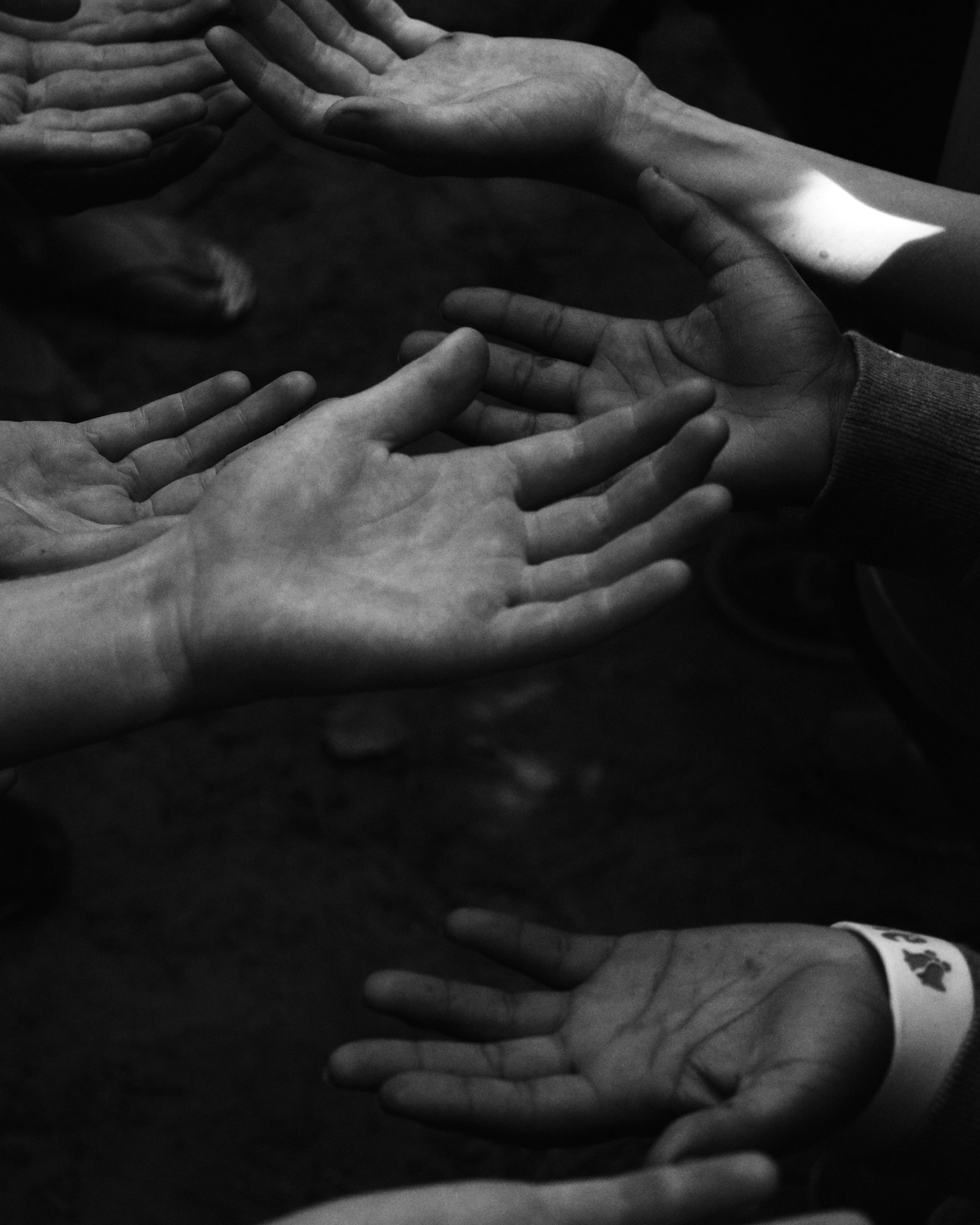

Building a Community Skills-Exchange Program

Building a Community Skills-Exchange Program is a useful subject because it connects individual choices with the systems, relationships and opportunities that shape daily life. Everyday kindness matters most when it respects consent, does not demand gratitude and becomes a dependable habit rather than a public performance. The practical question is not only whether an action feels positive, but whether it is relevant, accessible, ethical and strong enough to support a better next step.

This guide treats a community skills-exchange program as a process rather than a slogan. It focuses on a collaboration with a shared purpose, complementary roles, transparent decisions and accountability to the people it intends to serve. Local context will determine the right scale and method, so the approach should remain open to community knowledge, professional standards and evidence that may challenge the original idea.

“Building a Community Skills-Exchange Program is not measured by how inspiring the idea sounds, but by whether people experience greater opportunity, trust and control.”

From a good idea to useful action

Everyday kindness matters most when it respects consent, does not demand gratitude and becomes a dependable habit rather than a public performance. For a community skills-exchange program, that means asking who currently has access, who carries the cost, who is missing from decisions and what would count as a meaningful improvement. A single person may initiate the work, but credible results usually depend on cooperation among people with different knowledge and responsibilities.

Immediate action and long-term change are not opposites. A timely contribution can reduce a real burden today, while advocacy, institutional improvement, skills or a sustainable operating model can address why the barrier exists. Responsible planning makes the connection explicit. It avoids presenting one donation, event, introduction, training session or digital interaction as a complete solution.

What responsible practice requires

Start by converting Building a Community Skills-Exchange Program into a decision that can be acted upon. Define the person or group, the barrier, the desired change, the contribution and the time horizon. Then examine what is already working. Supporting a capable local organization is often more useful than creating a parallel initiative with no long-term owner.

  • Resource community participation rather than treating it as free consultation. Name the responsible person, the people affected and the evidence that will guide the next decision.
  • Agree on the problem and the voices that must shape the response. Name the responsible person, the people affected and the evidence that will guide the next decision.
  • Review whether the partnership adds value beyond separate action. Name the responsible person, the people affected and the evidence that will guide the next decision.
  • Set rules for decisions, data, credit, costs and conflict. Name the responsible person, the people affected and the evidence that will guide the next decision.
  • Map each partner’s authority, contribution and limitations. Name the responsible person, the people affected and the evidence that will guide the next decision.

Boundaries matter. Volunteers should not perform regulated work without appropriate qualifications. Mentors should not promise jobs or investment. Digital tools should not collect sensitive information merely because storage is inexpensive. Organizations should make clear where education ends and professional, legal, financial, safeguarding or crisis support must begin.

Planning checklist

  • Write one clear, realistic objective for a community skills-exchange program.
  • Confirm the priority with people directly affected by it.
  • Identify an accountable organization, professional or community partner.
  • Choose a contribution that matches available skills, time and resources.
  • Set consent, privacy, accessibility and safeguarding boundaries.
  • Decide which outputs, outcomes and feedback will be reviewed.
  • Publish limitations as honestly as successes and assign follow-through.

How this could work in practice

Imagine a non-identifiable participant seeking support related to a community skills-exchange program. The people involved begin with listening sessions and a review of services, skills and assets that already exist. They choose one barrier they can address responsibly, define who will make decisions and assign an owner for privacy, accessibility and feedback. The first test is deliberately modest: enough to reveal whether the idea is useful, but small enough to correct without creating dependency or making claims the evidence cannot support. After the test, participants compare experience, quality, reach and unintended effects. They then decide together whether to adapt, continue, partner with a specialist or stop. This is an illustrative composite, not a factual Touch-A-Life programme or a claim about an identifiable person, organization, partner or outcome.

The example is intentionally simple. Its lesson is that a small pilot can preserve learning and dignity when it has a real owner, clear limits and a feedback route. Copying the same intervention everywhere would miss differences in law, language, infrastructure, culture, professional standards and the strengths communities already possess.

Pitfalls that weaken results

Three common mistakes are using partnership language without sharing power, leaving responsibilities vague, and prioritizing partner visibility over community value. Another is treating a large audience or activity count as proof that people benefited. Reach can be useful, but it says little about quality, relevance, equity, durability or harm unless those questions are examined separately.

Measurement, learning and accountability

Measurement for a community skills-exchange program should combine outputs, outcomes, quality, equity, safety and durability. Relevant indicators include resources coordinated without duplication, quality and timeliness of joint decisions, community influence and satisfaction, and outcomes sustained beyond one partner. Define each indicator before launch, note the starting position where practical and decide who will review the findings.

Outputs describe what the team delivered: conversations, applications, services, products, volunteer hours, resources or referrals. Outcomes describe what changed for people, organizations or communities. Qualitative feedback explains why an approach felt useful or inaccessible; administrative information helps show continuity, cost and unequal participation. Both should be collected proportionately and protected.

Sources for further learning

These institutional sources provide broader frameworks for participation, skills, inclusion, enterprise, development and measurement. They are outbound references for further learning, not endorsements of a particular intervention and not proof of any result described in the illustrative example. Readers should confirm current local requirements with the appropriate qualified body.

A practical way forward

The next step on Building a Community Skills-Exchange Program can be modest: choose one real barrier, speak with the people who understand it, and define a contribution that can be completed responsibly. Agree on what will be learned before expanding. Make it easy for participants to say that the approach is not useful, and treat that feedback as evidence rather than resistance.

Lasting social value is built through repeated choices: listen before designing, share power, protect dignity, use credible evidence and follow through. When a community skills-exchange program is approached this way, even a small action can become part of a wider pattern of opportunity, trust and community capacity.

Precision Agriculture and the Future of Sustainable Farming

When communities consider precision agriculture and the future of sustainable farming, the central question is not how many food items can be distributed. It is whether people gain reliable access to nourishing food and greater control over the conditions shaping that access. This distinction connects urgent assistance with livelihoods, agriculture, health, education, markets and social protection.

Sustainable Development Goal 2 calls for ending hunger, improving nutrition and promoting sustainable agriculture. The World Food Programme’s explanation of food security emphasizes access to enough safe and nutritious food for a healthy life. These principles place precision agriculture and the future of sustainable inside a food system shaped by production, incomes, public services, markets, care responsibilities and exposure to shocks.

“A hunger-free community is built when reliable nourishment becomes a shared system, not an occasional act of relief.”

Why this issue matters for Zero Hunger

For this topic, a strong starting point is productive and resilient farms, fair access to markets and services, secure natural resources, and a viable livelihood for food producers. The parts are interdependent. A productive harvest does not guarantee access if prices, transport or unequal decision-making exclude households. Food assistance can prevent immediate harm yet leave the original livelihood or market constraint unchanged. Nutrition information is valuable, but it cannot make an unaffordable diet affordable. Good design therefore connects the most urgent barrier with the conditions required for lasting security.

What an effective response requires

An effective response to precision agriculture and the future of sustainable combines immediate protection with a route toward resilience. It begins by defining whose food security is at stake, which dimension of food security is failing and what local institutions already do. It then selects a manageable action, clarifies technical and safeguarding responsibilities, and creates a feedback loop before expansion.

  • Recognize women and young farmers as decision-makers: convert this principle into a funded task, a responsible owner and a way for communities to report barriers.
  • Strengthen farmer organizations and bargaining power: convert this principle into a funded task, a responsible owner and a way for communities to report barriers.
  • Expand appropriate finance and extension support: convert this principle into a funded task, a responsible owner and a way for communities to report barriers.
  • Protect soil, water and biodiversity over time: convert this principle into a funded task, a responsible owner and a way for communities to report barriers.
  • Connect production decisions with dependable markets: convert this principle into a funded task, a responsible owner and a way for communities to report barriers.

Sequencing should reflect local evidence. A household may first need emergency food or cash support, followed by affordable services, livelihood assistance or access to a dependable market. A producer may need water, storage, information or a fair buyer before a new technology adds value. The right sequence reduces hidden costs and makes it less likely that one improvement creates a new form of exclusion.

A practical action checklist

  1. Establish a privacy-conscious baseline before delivery begins.
  2. Identify which groups face the greatest barriers and how those barriers differ.
  3. Connect food action with income, health, water, education and social protection.
  4. Publish the programme’s scope, safeguards and limits in plain language.
  5. Review evidence with community representatives and adapt transparently.

A realistic community example

A non-identifiable rural scenario could involve producers, households, local government and civil society testing a response to precision agriculture and the future of sustainable. They agree on distinct roles, use existing facilities and create transparent criteria for participation. Technical advisers review safety and feasibility, while community members monitor hidden costs and accessibility. The pilot is adjusted before scale, and public reporting distinguishes activity, short-term outcomes and wider changes that the project cannot credibly claim on its own.

The most important feature of this scenario is the learning process. Participants can challenge inconvenient rules, delivery staff can identify safety or access problems, and funders can see why adaptation is responsible management. The coalition also avoids inventing success: it reports what changed, what remains uncertain and which wider economic or environmental forces influenced the result.

Common mistakes to avoid

Common mistakes include promoting inputs without affordability or ecological safeguards, designing programmes without tenant farmers, women or informal workers, and measuring harvest volume while ignoring net income. Teams also weaken results when they select only people easiest to reach, treat a short pilot as proof of long-term impact, or report food volume without asking whether diets became more reliable, safe and appropriate. Examining non-participation and dropout can reveal barriers hidden by an impressive headline number.

Communication must protect dignity. Avoid images or stories that identify people experiencing hardship without informed consent. Do not imply that hunger results from poor personal choices, and do not use health or dietary claims beyond the evidence. When children, patients, displaced people or other protected groups are involved, collect the minimum necessary data and use professional safeguarding review.

How to measure meaningful progress

Measurement should combine reach, quality, equity, safety and durability. Useful indicators for this topic include access to storage, services and fair markets, yield stability rather than one exceptional harvest, net and seasonally stable producer income, and soil, water and livelihood resilience. The FAO overview of hunger measurement shows why different questions require different indicators. Programmes should not replace established population measures with an untested score simply because it is convenient.

Outputs such as meals served, farmers trained, gardens created or storage units installed help manage delivery, but they do not prove reduced hunger. Outcomes ask whether access is more consistent, diets are more diverse, producers are more secure and households use fewer harmful coping strategies. Qualitative feedback can explain why results differ, while administrative and market data can help track coverage, cost and reliability.

Define the baseline, review rhythm and decision rules before launch. Disaggregate data only when safe, protect small groups from identification and document important external changes such as prices or weather. Publish both progress and limitations. Measurement should help communities and implementers make better decisions, not turn people’s hardship into surveillance or promotional material.

Authoritative resources and outbound references

These institutional sources provide global frameworks rather than personal instructions. Local conditions, law, food-safety requirements, health needs and ecological limits determine how an approach should be applied. Decisions involving nutrition, pregnancy, children, clinical care, animal health, food handling, water or technical production systems require qualified local professionals.

Turning evidence into action

Precision Agriculture and the Future of Sustainable Farming cannot be advanced by one organization or a single campaign. A credible next step is to convene affected households and producers, define one specific barrier, map existing responsibilities and test a modest improvement with transparent safeguards. Keep what evidence and community experience support, change what does not, and explain the reasoning publicly.

The aim is a food system in which people can reliably obtain nourishing food, producers can earn viable livelihoods and natural resources remain capable of supporting future generations. Action on precision agriculture and the future of sustainable contributes to SDG 2 when it protects dignity, reaches those facing the greatest barriers and builds capacity that remains useful beyond the first funding cycle.

Ghost Nets and the Deadly Legacy of Lost Fishing Gear

Evidence and safety note: Marine conditions, laws, hazards and services vary by place. Distinguish direct observations from projections, scenarios and inference; use current official evidence and qualified local review. The example below is illustrative and composite and describes no real person, community, programme, partner or outcome.

Ghost Nets and the Deadly Legacy of Lost Fishing Gear concerns a living system rather than an isolated environmental issue. A credible article should identify the habitat, species, pollution pathway, livelihood, institution or market decision involved. It should explain what is observed, what is inferred, what is projected and which scenario or policy choice is being considered.

Sustainable Development Goal 14 calls for conserving and sustainably using oceans, seas and marine resources. UNEP ocean resources, FAO fisheries and aquaculture reporting, UNESCO-IOC ocean science, IMO marine-environment standards, IPCC ocean and cryosphere findings and CBD marine biodiversity guidance offer complementary starting points. Verify publication dates and local applicability before using any figure or recommendation.

“Ghost Nets and the Deadly Legacy of Lost Fishing Gear becomes meaningful when ocean protection is measured in healthier ecosystems, safer livelihoods and accountable decisions.”

The marine system behind this topic

For this topic, a strong starting point is source-to-sea pollution prevention that prioritizes reduction, reuse, collection and producer accountability before downstream cleanup. Ocean systems connect rivers, coasts, the open sea, atmosphere and communities. Pressure can travel across jurisdictions, while benefits and harms are distributed unevenly. Good decisions therefore combine ecological evidence, precaution, rights and long-term public responsibility.

The practical question behind ghost nets and the deadly legacy of lost fishing gear should be precise: what outcome, in which marine or coastal system, by when and compared with what baseline? Observations describe measured conditions. Projections explore possible future states using models and assumptions. Scenarios compare plausible pathways. Inference may connect several evidence sources but should not be presented as direct measurement.

Equity matters because many small-scale fishers, island residents, Indigenous Peoples, women and informal workers depend directly on healthy marine ecosystems while having limited influence over industrial or regulatory decisions. Responsible action protects rights and customary access, avoids stigmatizing communities and does not transfer pollution, debt or conservation costs to those with the least power.

Principles for precautionary action

Work on ghost nets and the deadly legacy of lost fishing gear should begin with a system map: land- and sea-based pressures, ecological connections, affected livelihoods, public duties, commercial incentives, legal requirements and available monitoring. Prevention usually has priority over downstream cleanup or restoration. Where evidence is incomplete and harm could be serious or irreversible, precaution and adaptive management are essential.

  • Improve safe collection and recovery systems: name the responsible institution, fund implementation and provide an accessible route for feedback and remedy.
  • Prevent avoidable and unnecessary plastic use: name the responsible institution, fund implementation and provide an accessible route for feedback and remedy.
  • Measure cleanup alongside upstream prevention: name the responsible institution, fund implementation and provide an accessible route for feedback and remedy.
  • Map leakage from product design to waterways: name the responsible institution, fund implementation and provide an accessible route for feedback and remedy.
  • Address lost fishing gear with traceability: name the responsible institution, fund implementation and provide an accessible route for feedback and remedy.

Participation should influence decisions rather than simply validate them. Share maps, evidence and uncertainty in accessible language. Explain which choices remain open and resource community knowledge. Protect sensitive species locations, personal information and the security of environmental defenders. Publish how concerns, complaints and rights claims change the decision.

Community and institution checklist

  • Define the marine outcome related to ghost nets and the deadly legacy of lost fishing gear, including ecosystem, geography and time horizon.
  • Identify pressures from land, sea and climate, including cumulative and transboundary effects.
  • Label evidence as observation, projection, scenario or inference and cite its date and source.
  • Map rights, livelihoods, public duties and groups facing unequal risk or exclusion.
  • Obtain qualified scientific, safety, health or technical review where harm is possible.
  • Choose ecological, social, compliance and unintended-effect indicators before launch.
  • Assign long-term stewardship, maintenance, financing and an accessible complaint route.
  • Publish uncertainty, limitations and corrective decisions alongside progress.

An illustrative non-identifiable scenario

A hypothetical institution could approach ghost nets and the deadly legacy of lost fishing gear by defining the affected habitat and counterfactual before announcing a solution. Workers and coastal residents review the plan, qualified experts assess uncertainty, and decision-makers compare prevention, regulation and restoration options. The pilot retains an appeal route and reports unintended effects. The scenario is deliberately non-identifiable.

What often goes wrong

Common mistakes include presenting beach cleanup as a complete solution, shifting unsafe sorting or handling to volunteers, and making unsupported health claims about microplastics. Teams also weaken credibility when they count cleanup events, protected-area declarations, training sessions or finance commitments without showing reduced pressure, improved ecosystem condition, effective enforcement or fairer livelihood outcomes.

Avoid false precision. Marine monitoring varies in coverage, frequency and method, and a short time series may not separate natural variability from human influence. Document sampling, assumptions, detection limits and missing data. Update conclusions when methods or conditions change. Uncertainty supports precaution and learning; it does not justify unsupported certainty or inaction.

Tracking ecosystems, pressure and fairness

Measurement should cover ecological condition, pressure reduction, rights, safety and long-term stewardship. Useful indicators include leakage at river and coastal pathways, plastic placed on the market and avoided, safe collection coverage and producer responsibility, and gear reported, retrieved and prevented. Define units, location, depth, season, sampling method, denominator, baseline and review period before interpreting change.

Outputs describe activity: waste collected, patrols completed, habitat planted, people trained, finance allocated or sensors deployed. Outcomes ask whether pollution declined, populations or habitat recovered, livelihoods became more secure, compliance improved or communities gained decision power. Report absolute results with percentages and distinguish modeled benefits from directly observed change.

Use a baseline and interim targets where practical. Track displacement of pressure to another location, unsafe work, wildlife disturbance, privacy incidents, inequitable access, maintenance failure and unintended ecological effects. Review evidence with affected communities and qualified specialists, publish corrections and explain when attribution remains uncertain.

Official external references

These links are authoritative starting points, not site-specific seafood-safety, pollution-response, engineering, legal, wildlife-handling, navigation or diving instructions. Marine hazards, public health, restoration and operational response require responsible authorities and qualified local professionals. Never handle hazardous material or distressed wildlife without approved expertise.

Make ocean commitments measurable

A practical next step on Ghost Nets and the Deadly Legacy of Lost Fishing Gear is to identify one preventable pressure and one measurable marine outcome within an accountable institution’s control. Bring affected people into the definition of success, choose current evidence, assign resources and responsibility, obtain the necessary review and test a change small enough to correct.

SDG 14 becomes tangible when institutions can show what pressure fell, what ecosystem recovered, whose rights and livelihoods were protected and what remains unresolved. Progress on ghost nets and the deadly legacy of lost fishing gear should leave ocean stewardship stronger, more transparent and more capable of learning over time.

Green Bonds and the Future of Climate Investment

Evidence and safety note: This article distinguishes observed conditions, model projections and policy scenarios. Local hazards, laws, warnings and services vary; use current official information and qualified local guidance. The example below is an illustrative composite and describes no real person, community programme, partner or outcome.

Green Bonds and the Future of Climate Investment concerns both the causes of climate change and the choices that determine how people, ecosystems and economies experience its effects. A credible article should connect the topic to a defined emissions source, hazard, service, institution or decision rather than repeat general urgency. It should also show which evidence is observed, which is projected and which describes a possible policy pathway.

Sustainable Development Goal 13 connects emissions reduction, adaptation, resilience, education, institutions and international cooperation. IPCC synthesis findings, UNFCCC Paris Agreement resources, WMO climate observations, UNEP emissions-gap analysis, WHO climate-health guidance and UNDRR risk-reduction resources offer complementary institutional perspectives. Check publication dates and applicability before using any figure or recommendation.

“Green Bonds and the Future of Climate Investment becomes credible when urgency is matched by evidence, shared responsibility and measurable protection for people and planet.”

Separating observations, projections and scenarios

For this topic, a strong starting point is climate finance and corporate accountability that connect capital with additional, verifiable outcomes while protecting communities from debt, exclusion and misleading claims. Climate action includes mitigation that reduces or avoids greenhouse-gas emissions and adaptation that lowers risk from impacts. Many decisions can contribute to both, but the objectives, baselines and indicators should remain explicit so one benefit is not used to imply another.

The practical question behind green bonds and the future of climate investment should be precise: what outcome, in which place or system, by when, compared with what baseline? Observations describe measured conditions; projections use models and assumptions to explore future conditions; scenarios describe internally consistent pathways. Clear labels help readers understand uncertainty without mistaking it for ignorance.

Climate justice matters because exposure, adaptive capacity and historical responsibility are unequal. Income, health, age, gender, disability, land rights, housing and access to services affect risk. Responsible policy prioritizes people facing cumulative barriers and does not transfer costs, debt or displacement to those with the least power.

Principles for risk-informed action

Work on green bonds and the future of climate investment should start by mapping the system: emissions or hazard drivers, affected services, public duties, community assets, financial incentives and available evidence. Identify decisions that can change now and those requiring long-term infrastructure or regulation. State trade-offs and preserve the ability to correct course.

  • Track finance to final users and outcomes: assign an accountable owner, provide resources and create an accessible route for feedback or remedy.
  • Create accessible grievance and remedy routes: assign an accountable owner, provide resources and create an accessible route for feedback or remedy.
  • State purpose, eligibility and decision criteria: assign an accountable owner, provide resources and create an accessible route for feedback or remedy.
  • Assess additionality and distribution: assign an accountable owner, provide resources and create an accessible route for feedback or remedy.
  • Publish conflicts, assumptions and independent assurance: assign an accountable owner, provide resources and create an accessible route for feedback or remedy.

Participation must influence decisions rather than decorate them. Share evidence and scenarios in accessible formats, explain which choices remain open and resource community expertise. Protect sensitive health, location, migration and livelihood information. When residents identify harm or exclusion, publish how the concern was assessed and addressed.

Community and institution checklist

  • Define the climate outcome related to green bonds and the future of climate investment, including geography and time horizon.
  • Label evidence as observation, projection or scenario and cite its date and source.
  • Identify who benefits, who bears risk and who can influence the decision.
  • Check rights, affordability, accessibility, safeguarding and local professional requirements.
  • Choose mitigation, adaptation, distributional and unintended-effect indicators before launch.
  • Assign responsibility, maintenance resources and an accessible complaint or appeal route.
  • Publish uncertainty, limitations and corrective decisions alongside progress.

An illustrative non-identifiable scenario

A hypothetical institution could approach green bonds and the future of climate investment by defining its emissions boundary and climate-risk time horizon before announcing a solution. Workers and service users review the plan, qualified experts assess uncertainty, and decision-makers compare mitigation and adaptation options. The pilot retains an appeal route and reports unintended effects. The scenario is deliberately non-identifiable.

The important feature is the sequence: define the climate outcome, distinguish evidence types, listen before choosing a solution, clarify responsibility, obtain qualified review where risk is involved, test a bounded change and compare outcomes across groups. Replication should preserve principles while adapting to local law, hazards, culture and institutional capacity.

What often goes wrong

Common mistakes include giving personal investment guidance from general climate analysis, using offsets or labels to conceal unchanged operations, and counting commitments rather than disbursement and outcomes. Teams also undermine credibility when they announce a distant target without near-term milestones, count money committed rather than delivered outcomes, or report an efficiency gain while absolute emissions, exposure or inequality continues to rise.

Finally, avoid false precision. Climate models, emissions inventories and financial estimates have limitations. Document assumptions and ranges, update evidence when methods change, and explain how uncertainty affects a decision. Uncertainty is a reason for risk management and learning, not for unsupported certainty or paralysis.

Tracking emissions, resilience and fairness

Measurement should cover mitigation, adaptation, distribution, safety and long-term value. Useful indicators for this topic include claims, assurance, complaints and remedy, finance committed, disbursed and reached locally, adaptation or mitigation outcomes, and additionality, leverage and debt burden. Define units, scope, geography, denominator, baseline and time period before interpreting a change.

Outputs describe activity: plans adopted, funds allocated, people trained, capacity installed, land restored or alerts delivered. Outcomes ask whether emissions fell, energy or services became more resilient, risk declined or people gained secure access and decision power. Report absolute results alongside percentages and distinguish modeled avoided emissions from directly measured changes.

Use a baseline and interim targets where practical. Review evidence with affected communities and qualified specialists. Track rebound, leakage, maladaptation, displacement, debt, privacy incidents and service failure. Publish corrective decisions, not only favorable dashboards, and explain when attribution is uncertain.

Official external references

These links are authoritative starting points, not personal medical, emergency, engineering, legal or investment advice. Verify current warnings, standards and services locally. Health, disaster and emergency decisions require qualified professionals and responsible authorities; projections should never replace site-specific assessment.

Make climate commitments measurable

A practical next step on Green Bonds and the Future of Climate Investment is to identify one decision and one measurable climate outcome within an accountable institution’s control. Bring affected people into the definition of success, choose current evidence, assign resources and responsibility, obtain necessary review, and test a change small enough to correct.

SDG 13 becomes tangible when institutions can show what emissions were reduced, what risk declined, who gained protection and what remains unresolved. Progress on green bonds and the future of climate investment should combine urgency with accuracy, justice and a public commitment to learn and improve.