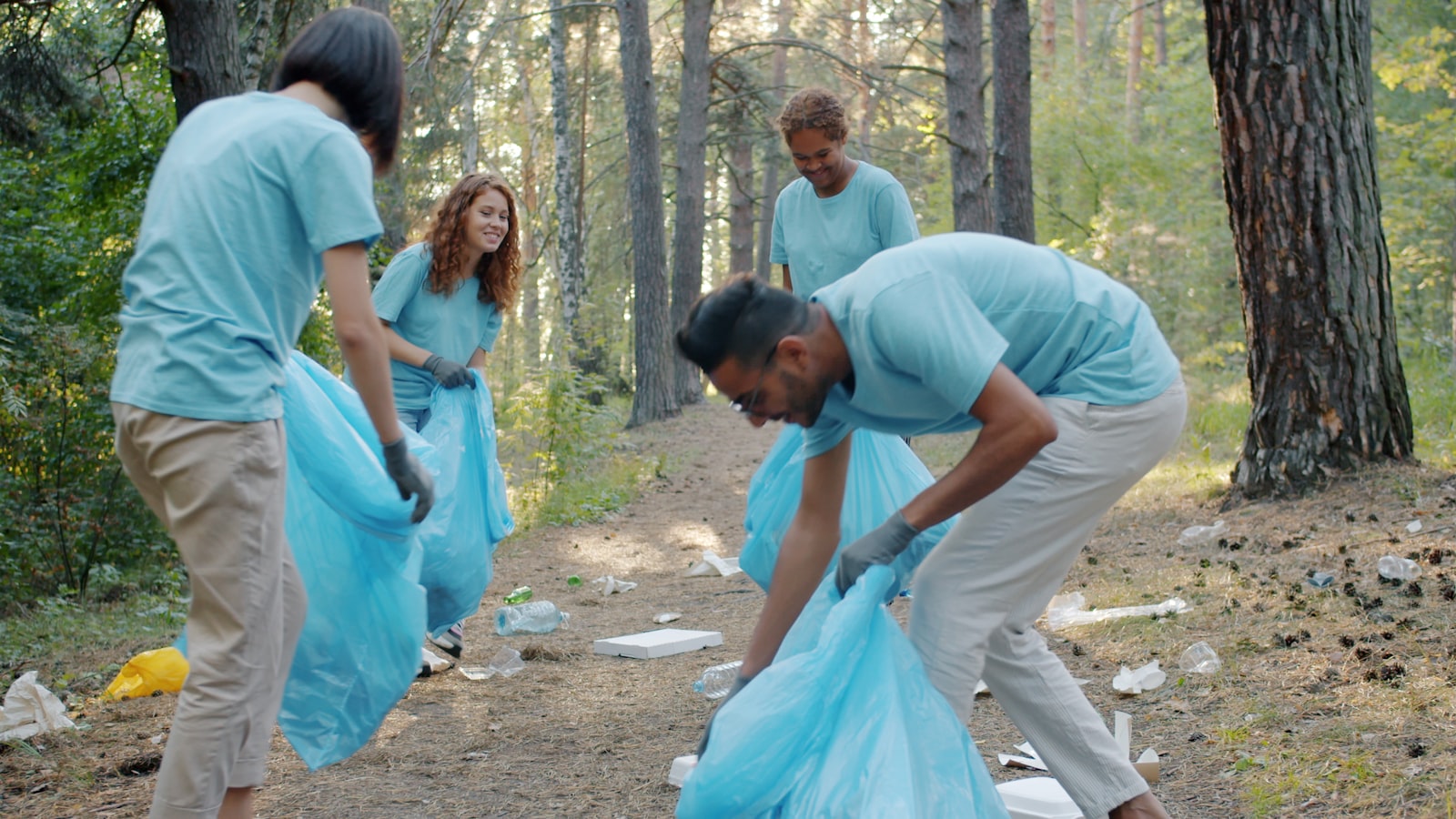
Creating Kindness Cards That Travel From Person to Person

Creating Kindness Cards That Travel From Person to Person is a useful subject because it connects individual choices with the systems, relationships and opportunities that shape daily life. Everyday kindness matters most when it respects consent, does not demand gratitude and becomes a dependable habit rather than a public performance. The practical question is not only whether an action feels positive, but whether it is relevant, accessible, ethical and strong enough to support a better next step.

This guide treats kindness cards that travel from person to person as a process rather than a slogan. It focuses on an everyday practice of noticing another person, respecting their agency and taking a proportionate action that reduces isolation or burden. Local context will determine the right scale and method, so the approach should remain open to community knowledge, professional standards and evidence that may challenge the original idea.

“Creating Kindness Cards That Travel From Person to Person joins compassion with evidence: listen first, contribute well and learn openly from the result.”

The opportunity behind the topic

Everyday kindness matters most when it respects consent, does not demand gratitude and becomes a dependable habit rather than a public performance. For kindness cards that travel from person to person, that means asking who currently has access, who carries the cost, who is missing from decisions and what would count as a meaningful improvement. A single person may initiate the work, but credible results usually depend on cooperation among people with different knowledge and responsibilities.

Immediate action and long-term change are not opposites. A timely contribution can reduce a real burden today, while advocacy, institutional improvement, skills or a sustainable operating model can address why the barrier exists. Responsible planning makes the connection explicit. It avoids presenting one donation, event, introduction, training session or digital interaction as a complete solution.

Designing the response with people

Start by converting Creating Kindness Cards That Travel From Person to Person into a decision that can be acted upon. Define the person or group, the barrier, the desired change, the contribution and the time horizon. Then examine what is already working. Supporting a capable local organization is often more useful than creating a parallel initiative with no long-term owner.

  • Ask permission before stepping in or sharing their circumstances. Name the responsible person, the people affected and the evidence that will guide the next decision.
  • Follow up when continuity matters and connect to qualified services when needed. Name the responsible person, the people affected and the evidence that will guide the next decision.
  • Respect a refusal and avoid creating an obligation to reciprocate. Name the responsible person, the people affected and the evidence that will guide the next decision.
  • Notice what the person is communicating rather than assuming. Name the responsible person, the people affected and the evidence that will guide the next decision.
  • Offer a specific, realistic form of help. Name the responsible person, the people affected and the evidence that will guide the next decision.

Boundaries matter. Volunteers should not perform regulated work without appropriate qualifications. Mentors should not promise jobs or investment. Digital tools should not collect sensitive information merely because storage is inexpensive. Organizations should make clear where education ends and professional, legal, financial, safeguarding or crisis support must begin.

Implementation checklist

  • Write one clear, realistic objective for kindness cards that travel from person to person.
  • Confirm the priority with people directly affected by it.
  • Identify an accountable organization, professional or community partner.
  • Choose a contribution that matches available skills, time and resources.
  • Set consent, privacy, accessibility and safeguarding boundaries.
  • Decide which outputs, outcomes and feedback will be reviewed.
  • Publish limitations as honestly as successes and assign follow-through.

An illustrative composite scenario

A composite neighborhood example can show how kindness cards that travel from person to person might move from intention to practice. The people involved begin with listening sessions and a review of services, skills and assets that already exist. They choose one barrier they can address responsibly, define who will make decisions and assign an owner for privacy, accessibility and feedback. The first test is deliberately modest: enough to reveal whether the idea is useful, but small enough to correct without creating dependency or making claims the evidence cannot support. After the test, participants compare experience, quality, reach and unintended effects. They then decide together whether to adapt, continue, partner with a specialist or stop. This is an illustrative composite, not a factual Touch-A-Life programme or a claim about an identifiable person, organization, partner or outcome.

The example is intentionally simple. Its lesson is that a small pilot can preserve learning and dignity when it has a real owner, clear limits and a feedback route. Copying the same intervention everywhere would miss differences in law, language, infrastructure, culture, professional standards and the strengths communities already possess.

What often goes wrong

Three common mistakes are offering help that ignores the recipient’s preferences, treating kindness as performance, and assuming a warm moment has solved a structural problem. Another is treating a large audience or activity count as proof that people benefited. Reach can be useful, but it says little about quality, relevance, equity, durability or harm unless those questions are examined separately.

Tracking outcomes without losing the human story

Measurement for kindness cards that travel from person to person should combine outputs, outcomes, quality, equity, safety and durability. Relevant indicators include follow-through on the offered action, the recipient’s assessment of usefulness, trust and belonging over time, and whether the practice becomes more inclusive and reliable. Define each indicator before launch, note the starting position where practical and decide who will review the findings.

Outputs describe what the team delivered: conversations, applications, services, products, volunteer hours, resources or referrals. Outcomes describe what changed for people, organizations or communities. Qualitative feedback explains why an approach felt useful or inaccessible; administrative information helps show continuity, cost and unequal participation. Both should be collected proportionately and protected.

Trusted external resources

These institutional sources provide broader frameworks for participation, skills, inclusion, enterprise, development and measurement. They are outbound references for further learning, not endorsements of a particular intervention and not proof of any result described in the illustrative example. Readers should confirm current local requirements with the appropriate qualified body.

Turning insight into action

The next step on Creating Kindness Cards That Travel From Person to Person can be modest: choose one real barrier, speak with the people who understand it, and define a contribution that can be completed responsibly. Agree on what will be learned before expanding. Make it easy for participants to say that the approach is not useful, and treat that feedback as evidence rather than resistance.

Lasting social value is built through repeated choices: listen before designing, share power, protect dignity, use credible evidence and follow through. When kindness cards that travel from person to person is approached this way, even a small action can become part of a wider pattern of opportunity, trust and community capacity.


Providing Safe Facilities for Women and Girls

Safety and local context: Water quality, treatment, sanitation, wastewater and emergency measures depend on the source, contaminants, infrastructure, law and local hazards. Do not apply generalized treatment, dosing, testing or engineering instructions. Protect health data, community dignity and Indigenous rights, and use qualified local oversight.

A useful discussion of providing safe facilities for women and girls begins with the people most affected. Households, utilities, health workers, farmers, workers and communities see seasonal failures, costs, contamination risks and access barriers that national averages can miss. Their experience should guide diagnosis, while public-health standards and technical evidence protect against unsafe assumptions.

Sustainable Development Goal 6 calls for availability and sustainable management of water and sanitation for all. The WHO/UNICEF Joint Monitoring Programme, UN-Water, UNESCO World Water Assessment Programme and World Bank show why access, quality, ecosystems, institutions and finance must be considered together.

“Reliable water services are built where safety, dignity and stewardship meet.”

Connecting the issue to water security

For this topic, a strong starting point is inclusive sanitation and hygiene services that protect health, privacy, safety, accessibility and dignity across the whole service chain. These elements reinforce one another. A household may be counted as served but face intermittent supply, unsafe storage, an inaccessible toilet or costs that force rationing. An operator may value higher standards but lack trained staff, spare parts or stable revenue. Good planning therefore looks beyond coverage and asks who receives a safe, reliable service, who bears risk and why.

Designing for safety, dignity and inclusion

An effective response to safe facilities for women and girls defines the specific service outcome and risk to be changed. Communities contribute lived knowledge; utilities and workers contribute operational experience; public institutions establish and enforce standards; and qualified specialists evaluate health, engineering and environmental implications. Partners should fill a defined gap without replacing public accountability.

  • Manage waste safely beyond the toilet: translate this principle into a funded task, a responsible owner and a documented review point.
  • Provide disability and gender-inclusive access: translate this principle into a funded task, a responsible owner and a documented review point.
  • Create confidential feedback and repair systems: translate this principle into a funded task, a responsible owner and a documented review point.
  • Connect infrastructure with sustained services and behavior support: translate this principle into a funded task, a responsible owner and a documented review point.
  • Co-design facilities with users: translate this principle into a funded task, a responsible owner and a documented review point.

Implementation quality matters as much as the technology. Staff need training, protective procedures, time and supervision. Monitoring should be risk-based and interpreted by qualified professionals. Data collection should be proportionate and transparent. Communities need plain-language information about service limitations and a credible path for reporting failures without retaliation.

Checklist for responsible action

  1. Separate urgent risk reduction from the longer pathway to safely managed services.
  2. Test eligibility, price, distance, timing and facility design for exclusion.
  3. Create accessible incident, feedback and complaint routes.
  4. Pilot a technically reviewed change before expansion.
  5. Agree who will operate, finance and regulate it after initial funding ends.

How the approach could work locally

Consider a hypothetical utility and community partnership working on safe facilities for women and girls. Residents explain that a well-intended service is difficult to use because of timing, disability access, price and unreliable repairs. Engineers and public-health officials identify monitoring and maintenance gaps. The partnership revises delivery, clarifies responsibilities and publishes limitations. Expansion depends on verified service performance rather than equipment purchased or people registered.

The useful lesson is the learning process. Users can identify hidden access barriers, operators can surface maintenance constraints and specialists can challenge unsafe assumptions. The team distinguishes what was built or delivered, what changed in the service, what remains uncertain and which external factors may have influenced the result.

Pitfalls that weaken results

Common mistakes include counting toilets without checking use or maintenance, ignoring safely managed containment and disposal, and using shame or coercion to change behavior. Teams also weaken programmes by selecting only easy-to-reach communities, measuring one dry-season snapshot, or presenting a pilot as proof of long-term safety. Few complaints do not automatically indicate good performance; people may not know, trust or safely access the reporting channel.

Communication should protect dignity and accuracy. Do not publish identifiable health circumstances or images of people using sanitation facilities without genuinely informed consent and safeguarding review. Avoid implying that poverty, culture or individual behavior alone explains service failures. State uncertainty, technical limits and institutional responsibilities clearly.

Measurement, learning and accountability

Measurement should combine reach, safety, reliability, affordability, equity and durability. Useful indicators include safe and reliable service use, user-reported privacy and dignity, functionality, cleanliness and accessibility, and safe management across the sanitation chain. The Integrated Monitoring Initiative for SDG 6 provides official monitoring resources, while locally governed evidence can reveal barriers hidden by averages.

Outputs such as systems installed, staff trained or tests conducted help manage implementation, but they do not prove a safely managed service. Outcomes ask whether people consistently receive acceptable service and whether ecosystems and downstream users are protected. Disaggregate results where privacy allows, document missing data and examine downtime, non-use and unequal exposure.

Define the baseline, review schedule and decision rules before launch. Combine operational records with qualified quality monitoring, financial evidence and accessible user feedback. Compare cost with service quality and resilience, not construction alone. Report positive, mixed and negative findings so communities and funders can distinguish honest learning from promotion.

Authoritative resources and outbound references

These sources provide global frameworks rather than instructions for a specific water source or facility. Applicable standards, contaminants, geology, climate, infrastructure and law determine responsible action. Water testing, treatment, sanitation, wastewater, emergencies and engineering decisions require appropriately qualified local professionals.

A practical way forward

Providing Safe Facilities for Women and Girls cannot be advanced by a one-time installation or awareness campaign. A credible next step is to define one service failure with users and qualified specialists, map public responsibilities, and test a modest improvement with transparent safety limits. Keep what verified evidence supports, change what does not and explain decisions publicly.

The goal is not simply more water activity. It is a safely managed, affordable and resilient service that protects dignity and ecosystems. Action on safe facilities for women and girls advances SDG 6 when it reaches people facing the greatest barriers, strengthens capable institutions and funds performance beyond the first project cycle.

Partnership quality is another test. Government, utilities, communities, workers, civil society and responsible businesses bring different authority and knowledge. Roles should be explicit, conflicts disclosed and participation resourced. Coordination adds value only when it closes a known gap or strengthens accountability around safe facilities for women and girls.

Community Conservation Success Stories From Around the World

Evidence and safety note: Marine conditions, laws, hazards and services vary by place. Distinguish direct observations from projections, scenarios and inference; use current official evidence and qualified local review. The example below is illustrative and composite and describes no real person, community, programme, partner or outcome.

Community Conservation Success Stories From Around the World concerns a living system rather than an isolated environmental issue. A credible article should identify the habitat, species, pollution pathway, livelihood, institution or market decision involved. It should explain what is observed, what is inferred, what is projected and which scenario or policy choice is being considered.

Sustainable Development Goal 14 calls for conserving and sustainably using oceans, seas and marine resources. UNEP ocean resources, FAO fisheries and aquaculture reporting, UNESCO-IOC ocean science, IMO marine-environment standards, IPCC ocean and cryosphere findings and CBD marine biodiversity guidance offer complementary starting points. Verify publication dates and local applicability before using any figure or recommendation.

“Community Conservation Success Stories From Around the World becomes meaningful when ocean protection is measured in healthier ecosystems, safer livelihoods and accountable decisions.”

Connecting this issue to ocean health

For this topic, a strong starting point is cooperative ocean governance that translates law, finance and public commitments into verifiable ecological and community outcomes. Ocean systems connect rivers, coasts, the open sea, atmosphere and communities. Pressure can travel across jurisdictions, while benefits and harms are distributed unevenly. Good decisions therefore combine ecological evidence, precaution, rights and long-term public responsibility.

The practical question behind community conservation success stories from around the world should be precise: what outcome, in which marine or coastal system, by when and compared with what baseline? Observations describe measured conditions. Projections explore possible future states using models and assumptions. Scenarios compare plausible pathways. Inference may connect several evidence sources but should not be presented as direct measurement.

Equity matters because many small-scale fishers, island residents, Indigenous Peoples, women and informal workers depend directly on healthy marine ecosystems while having limited influence over industrial or regulatory decisions. Responsible action protects rights and customary access, avoids stigmatizing communities and does not transfer pollution, debt or conservation costs to those with the least power.

Designing for ecology, rights and livelihoods

Work on community conservation success stories from around the world should begin with a system map: land- and sea-based pressures, ecological connections, affected livelihoods, public duties, commercial incentives, legal requirements and available monitoring. Prevention usually has priority over downstream cleanup or restoration. Where evidence is incomplete and harm could be serious or irreversible, precaution and adaptive management are essential.

  • Adapt action as science and conditions change: name the responsible institution, fund implementation and provide an accessible route for feedback and remedy.
  • Resource community participation and remedy: name the responsible institution, fund implementation and provide an accessible route for feedback and remedy.
  • Connect commitments to competent institutions and budgets: name the responsible institution, fund implementation and provide an accessible route for feedback and remedy.
  • Align rules across national and transboundary waters: name the responsible institution, fund implementation and provide an accessible route for feedback and remedy.
  • Publish finance, implementation and enforcement results: name the responsible institution, fund implementation and provide an accessible route for feedback and remedy.

Participation should influence decisions rather than simply validate them. Share maps, evidence and uncertainty in accessible language. Explain which choices remain open and resource community knowledge. Protect sensitive species locations, personal information and the security of environmental defenders. Publish how concerns, complaints and rights claims change the decision.

Checklist for responsible implementation

  • Define the marine outcome related to community conservation success stories from around the world, including ecosystem, geography and time horizon.
  • Identify pressures from land, sea and climate, including cumulative and transboundary effects.
  • Label evidence as observation, projection, scenario or inference and cite its date and source.
  • Map rights, livelihoods, public duties and groups facing unequal risk or exclusion.
  • Obtain qualified scientific, safety, health or technical review where harm is possible.
  • Choose ecological, social, compliance and unintended-effect indicators before launch.
  • Assign long-term stewardship, maintenance, financing and an accessible complaint route.
  • Publish uncertainty, limitations and corrective decisions alongside progress.

How this could work in practice

Consider a non-identifiable community coalition working on community conservation success stories from around the world. It maps source-to-sea pressures, customary access, public responsibilities and data gaps before proposing action. Local knowledge holders are resourced for participation and specialists review safety and ecological assumptions. A pilot tracks ecosystem condition, access, cost and complaints. No real organization, partner or result is implied.

Pitfalls that weaken marine outcomes

Common mistakes include shifting public duties onto individual consumer choices, counting declarations instead of delivered protection, and presenting a composite example as a verified success story. Teams also weaken credibility when they count cleanup events, protected-area declarations, training sessions or finance commitments without showing reduced pressure, improved ecosystem condition, effective enforcement or fairer livelihood outcomes.

Avoid false precision. Marine monitoring varies in coverage, frequency and method, and a short time series may not separate natural variability from human influence. Document sampling, assumptions, detection limits and missing data. Update conclusions when methods or conditions change. Uncertainty supports precaution and learning; it does not justify unsupported certainty or inaction.

Measurement, learning and accountability

Measurement should cover ecological condition, pressure reduction, rights, safety and long-term stewardship. Useful indicators include finance reaching local stewardship, ecosystem condition and pressure reduction, rights, participation and international cooperation, and commitments implemented and independently reviewed. Define units, location, depth, season, sampling method, denominator, baseline and review period before interpreting change.

Outputs describe activity: waste collected, patrols completed, habitat planted, people trained, finance allocated or sensors deployed. Outcomes ask whether pollution declined, populations or habitat recovered, livelihoods became more secure, compliance improved or communities gained decision power. Report absolute results with percentages and distinguish modeled benefits from directly observed change.

Use a baseline and interim targets where practical. Track displacement of pressure to another location, unsafe work, wildlife disturbance, privacy incidents, inequitable access, maintenance failure and unintended ecological effects. Review evidence with affected communities and qualified specialists, publish corrections and explain when attribution remains uncertain.

Trusted sources for further learning

These links are authoritative starting points, not site-specific seafood-safety, pollution-response, engineering, legal, wildlife-handling, navigation or diving instructions. Marine hazards, public health, restoration and operational response require responsible authorities and qualified local professionals. Never handle hazardous material or distressed wildlife without approved expertise.

A practical way forward

A practical next step on Community Conservation Success Stories From Around the World is to identify one preventable pressure and one measurable marine outcome within an accountable institution’s control. Bring affected people into the definition of success, choose current evidence, assign resources and responsibility, obtain the necessary review and test a change small enough to correct.

SDG 14 becomes tangible when institutions can show what pressure fell, what ecosystem recovered, whose rights and livelihoods were protected and what remains unresolved. Progress on community conservation success stories from around the world should leave ocean stewardship stronger, more transparent and more capable of learning over time.

Can Social Impact Be Measured Accurately?

Can Social Impact Be Measured Accurately? is a useful subject because it connects individual choices with the systems, relationships and opportunities that shape daily life. A social enterprise must hold mission and operational discipline together: community value is the purpose, while a viable model keeps the work available. The practical question is not only whether an action feels positive, but whether it is relevant, accessible, ethical and strong enough to support a better next step.

This guide treats social impact be measured accurately as a process rather than a slogan. It focuses on a learning system that connects resources and activities to outcomes while making uncertainty, equity and unintended effects visible. Local context will determine the right scale and method, so the approach should remain open to community knowledge, professional standards and evidence that may challenge the original idea.

“Can Social Impact Be Measured Accurately? is strongest when it expands choices, protects dignity and leaves communities with greater capacity to act.”

From a good idea to useful action

A social enterprise must hold mission and operational discipline together: community value is the purpose, while a viable model keeps the work available. For social impact be measured accurately, that means asking who currently has access, who carries the cost, who is missing from decisions and what would count as a meaningful improvement. A single person may initiate the work, but credible results usually depend on cooperation among people with different knowledge and responsibilities.

Immediate action and long-term change are not opposites. A timely contribution can reduce a real burden today, while advocacy, institutional improvement, skills or a sustainable operating model can address why the barrier exists. Responsible planning makes the connection explicit. It avoids presenting one donation, event, introduction, training session or digital interaction as a complete solution.

What responsible practice requires

Start by converting Can Social Impact Be Measured Accurately? into a decision that can be acted upon. Define the person or group, the barrier, the desired change, the contribution and the time horizon. Then examine what is already working. Supporting a capable local organization is often more useful than creating a parallel initiative with no long-term owner.

  • Review findings with participants and document decisions made from evidence. Name the responsible person, the people affected and the evidence that will guide the next decision.
  • Separate inputs, activities, outputs and outcomes. Name the responsible person, the people affected and the evidence that will guide the next decision.
  • Write a specific change statement and identify who should experience it. Name the responsible person, the people affected and the evidence that will guide the next decision.
  • Establish a baseline or credible comparison where practical. Name the responsible person, the people affected and the evidence that will guide the next decision.
  • Choose a small set of useful quantitative and qualitative indicators. Name the responsible person, the people affected and the evidence that will guide the next decision.

Boundaries matter. Volunteers should not perform regulated work without appropriate qualifications. Mentors should not promise jobs or investment. Digital tools should not collect sensitive information merely because storage is inexpensive. Organizations should make clear where education ends and professional, legal, financial, safeguarding or crisis support must begin.

Planning checklist

  • Write one clear, realistic objective for social impact be measured accurately.
  • Confirm the priority with people directly affected by it.
  • Identify an accountable organization, professional or community partner.
  • Choose a contribution that matches available skills, time and resources.
  • Set consent, privacy, accessibility and safeguarding boundaries.
  • Decide which outputs, outcomes and feedback will be reviewed.
  • Publish limitations as honestly as successes and assign follow-through.

How this could work in practice

Imagine a non-identifiable participant seeking support related to social impact be measured accurately. The people involved begin with listening sessions and a review of services, skills and assets that already exist. They choose one barrier they can address responsibly, define who will make decisions and assign an owner for privacy, accessibility and feedback. The first test is deliberately modest: enough to reveal whether the idea is useful, but small enough to correct without creating dependency or making claims the evidence cannot support. After the test, participants compare experience, quality, reach and unintended effects. They then decide together whether to adapt, continue, partner with a specialist or stop. This is an illustrative composite, not a factual Touch-A-Life programme or a claim about an identifiable person, organization, partner or outcome.

The example is intentionally simple. Its lesson is that a small pilot can preserve learning and dignity when it has a real owner, clear limits and a feedback route. Copying the same intervention everywhere would miss differences in law, language, infrastructure, culture, professional standards and the strengths communities already possess.

Pitfalls that weaken results

Three common mistakes are using output counts as proof of impact, reporting only successes and hiding uncertainty, and collecting more data than the team can protect or use. Another is treating a large audience or activity count as proof that people benefited. Reach can be useful, but it says little about quality, relevance, equity, durability or harm unless those questions are examined separately.

Measurement, learning and accountability

Measurement for social impact be measured accurately should combine outputs, outcomes, quality, equity, safety and durability. Relevant indicators include cost, unintended effects and learning decisions, reach and service quality, equity and participant experience, and outcomes and durability. Define each indicator before launch, note the starting position where practical and decide who will review the findings.

Outputs describe what the team delivered: conversations, applications, services, products, volunteer hours, resources or referrals. Outcomes describe what changed for people, organizations or communities. Qualitative feedback explains why an approach felt useful or inaccessible; administrative information helps show continuity, cost and unequal participation. Both should be collected proportionately and protected.

Sources for further learning

These institutional sources provide broader frameworks for participation, skills, inclusion, enterprise, development and measurement. They are outbound references for further learning, not endorsements of a particular intervention and not proof of any result described in the illustrative example. Readers should confirm current local requirements with the appropriate qualified body.

A practical way forward

The next step on Can Social Impact Be Measured Accurately? can be modest: choose one real barrier, speak with the people who understand it, and define a contribution that can be completed responsibly. Agree on what will be learned before expanding. Make it easy for participants to say that the approach is not useful, and treat that feedback as evidence rather than resistance.

Lasting social value is built through repeated choices: listen before designing, share power, protect dignity, use credible evidence and follow through. When social impact be measured accurately is approached this way, even a small action can become part of a wider pattern of opportunity, trust and community capacity.

How to Lead During Uncertainty

How to Lead During Uncertainty is a useful subject because it connects individual choices with the systems, relationships and opportunities that shape daily life. Career support becomes social impact when it expands informed choice, fair access, useful skills and dignity rather than promising a shortcut. The practical question is not only whether an action feels positive, but whether it is relevant, accessible, ethical and strong enough to support a better next step.

This guide treats to lead during uncertainty as a process rather than a slogan. It focuses on a practical pathway that connects self-knowledge, credible evidence of skills, fair opportunity and informed career decisions. Local context will determine the right scale and method, so the approach should remain open to community knowledge, professional standards and evidence that may challenge the original idea.

“How to Lead During Uncertainty is not measured by how inspiring the idea sounds, but by whether people experience greater opportunity, trust and control.”

Looking beyond the headline

Career support becomes social impact when it expands informed choice, fair access, useful skills and dignity rather than promising a shortcut. For to lead during uncertainty, that means asking who currently has access, who carries the cost, who is missing from decisions and what would count as a meaningful improvement. A single person may initiate the work, but credible results usually depend on cooperation among people with different knowledge and responsibilities.

Immediate action and long-term change are not opposites. A timely contribution can reduce a real burden today, while advocacy, institutional improvement, skills or a sustainable operating model can address why the barrier exists. Responsible planning makes the connection explicit. It avoids presenting one donation, event, introduction, training session or digital interaction as a complete solution.

Principles for community-centered action

Start by converting How to Lead During Uncertainty into a decision that can be acted upon. Define the person or group, the barrier, the desired change, the contribution and the time horizon. Then examine what is already working. Supporting a capable local organization is often more useful than creating a parallel initiative with no long-term owner.

  • Protect personal data and avoid paying unverified intermediaries. Name the responsible person, the people affected and the evidence that will guide the next decision.
  • Translate the goal into one observable career outcome. Name the responsible person, the people affected and the evidence that will guide the next decision.
  • Research role expectations, workplace culture and accessibility before applying. Name the responsible person, the people affected and the evidence that will guide the next decision.
  • Collect examples that demonstrate relevant skills rather than relying on broad claims. Name the responsible person, the people affected and the evidence that will guide the next decision.
  • Seek feedback from a trusted mentor or qualified career professional. Name the responsible person, the people affected and the evidence that will guide the next decision.

Boundaries matter. Volunteers should not perform regulated work without appropriate qualifications. Mentors should not promise jobs or investment. Digital tools should not collect sensitive information merely because storage is inexpensive. Organizations should make clear where education ends and professional, legal, financial, safeguarding or crisis support must begin.

A ready-to-use checklist

  • Write one clear, realistic objective for to lead during uncertainty.
  • Confirm the priority with people directly affected by it.
  • Identify an accountable organization, professional or community partner.
  • Choose a contribution that matches available skills, time and resources.
  • Set consent, privacy, accessibility and safeguarding boundaries.
  • Decide which outputs, outcomes and feedback will be reviewed.
  • Publish limitations as honestly as successes and assign follow-through.

A practical composite example

Picture a small organization testing a responsible approach to to lead during uncertainty. The people involved begin with listening sessions and a review of services, skills and assets that already exist. They choose one barrier they can address responsibly, define who will make decisions and assign an owner for privacy, accessibility and feedback. The first test is deliberately modest: enough to reveal whether the idea is useful, but small enough to correct without creating dependency or making claims the evidence cannot support. After the test, participants compare experience, quality, reach and unintended effects. They then decide together whether to adapt, continue, partner with a specialist or stop. This is an illustrative composite, not a factual Touch-A-Life programme or a claim about an identifiable person, organization, partner or outcome.

The example is intentionally simple. Its lesson is that a small pilot can preserve learning and dignity when it has a real owner, clear limits and a feedback route. Copying the same intervention everywhere would miss differences in law, language, infrastructure, culture, professional standards and the strengths communities already possess.

Mistakes that can undermine trust

Three common mistakes are confusing visibility with meaningful professional relationships, using generic applications for very different roles, and accepting advice without checking whether it fits the person’s context. Another is treating a large audience or activity count as proof that people benefited. Reach can be useful, but it says little about quality, relevance, equity, durability or harm unless those questions are examined separately.

Evidence for better decisions

Measurement for to lead during uncertainty should combine outputs, outcomes, quality, equity, safety and durability. Relevant indicators include interviews or useful conversations generated, confidence based on demonstrated preparation, quality of targeted applications, and skills gaps closed. Define each indicator before launch, note the starting position where practical and decide who will review the findings.

Outputs describe what the team delivered: conversations, applications, services, products, volunteer hours, resources or referrals. Outcomes describe what changed for people, organizations or communities. Qualitative feedback explains why an approach felt useful or inaccessible; administrative information helps show continuity, cost and unequal participation. Both should be collected proportionately and protected.

Authoritative outbound references

These institutional sources provide broader frameworks for participation, skills, inclusion, enterprise, development and measurement. They are outbound references for further learning, not endorsements of a particular intervention and not proof of any result described in the illustrative example. Readers should confirm current local requirements with the appropriate qualified body.

Make the first step count

The next step on How to Lead During Uncertainty can be modest: choose one real barrier, speak with the people who understand it, and define a contribution that can be completed responsibly. Agree on what will be learned before expanding. Make it easy for participants to say that the approach is not useful, and treat that feedback as evidence rather than resistance.

Lasting social value is built through repeated choices: listen before designing, share power, protect dignity, use credible evidence and follow through. When to lead during uncertainty is approached this way, even a small action can become part of a wider pattern of opportunity, trust and community capacity.

Direct Air Capture and the Future of Climate Technology

Qualified review required before publication: This draft is general education, not personal medical, mental-health, emergency, disaster, migration, legal, engineering, technical or investment advice. Qualified local professionals, responsible authorities and safeguarding editors must review it before publication or implementation.
Evidence and safety note: This article distinguishes observed conditions, model projections and policy scenarios. Local hazards, laws, warnings and services vary; use current official information and qualified local guidance. The example below is an illustrative composite and describes no real person, community programme, partner or outcome.

Direct Air Capture and the Future of Climate Technology concerns both the causes of climate change and the choices that determine how people, ecosystems and economies experience its effects. A credible article should connect the topic to a defined emissions source, hazard, service, institution or decision rather than repeat general urgency. It should also show which evidence is observed, which is projected and which describes a possible policy pathway.

Sustainable Development Goal 13 connects emissions reduction, adaptation, resilience, education, institutions and international cooperation. IPCC synthesis findings, UNFCCC Paris Agreement resources, WMO climate observations, UNEP emissions-gap analysis, WHO climate-health guidance and UNDRR risk-reduction resources offer complementary institutional perspectives. Check publication dates and applicability before using any figure or recommendation.

“Direct Air Capture and the Future of Climate Technology becomes credible when urgency is matched by evidence, shared responsibility and measurable protection for people and planet.”

Connecting the issue to climate action

For this topic, a strong starting point is responsible climate innovation assessed against mitigation or adaptation value, safety, energy and resource demand, governance and opportunity cost. Climate action includes mitigation that reduces or avoids greenhouse-gas emissions and adaptation that lowers risk from impacts. Many decisions can contribute to both, but the objectives, baselines and indicators should remain explicit so one benefit is not used to imply another.

The practical question behind direct air capture and the future of climate technology should be precise: what outcome, in which place or system, by when, compared with what baseline? Observations describe measured conditions; projections use models and assumptions to explore future conditions; scenarios describe internally consistent pathways. Clear labels help readers understand uncertainty without mistaking it for ignorance.

Climate justice matters because exposure, adaptive capacity and historical responsibility are unequal. Income, health, age, gender, disability, land rights, housing and access to services affect risk. Responsible policy prioritizes people facing cumulative barriers and does not transfer costs, debt or displacement to those with the least power.

Designing for mitigation, adaptation and justice

Work on direct air capture and the future of climate technology should start by mapping the system: emissions or hazard drivers, affected services, public duties, community assets, financial incentives and available evidence. Identify decisions that can change now and those requiring long-term infrastructure or regulation. State trade-offs and preserve the ability to correct course.

  • Define the climate problem and counterfactual: assign an accountable owner, provide resources and create an accessible route for feedback or remedy.
  • Retain accountable human oversight: assign an accountable owner, provide resources and create an accessible route for feedback or remedy.
  • Publish uncertainty, limits and opportunity cost: assign an accountable owner, provide resources and create an accessible route for feedback or remedy.
  • Use qualified scientific and technical review: assign an accountable owner, provide resources and create an accessible route for feedback or remedy.
  • Test lifecycle impacts and failure modes: assign an accountable owner, provide resources and create an accessible route for feedback or remedy.

Participation must influence decisions rather than decorate them. Share evidence and scenarios in accessible formats, explain which choices remain open and resource community expertise. Protect sensitive health, location, migration and livelihood information. When residents identify harm or exclusion, publish how the concern was assessed and addressed.

Checklist for responsible implementation

  • Define the climate outcome related to direct air capture and the future of climate technology, including geography and time horizon.
  • Label evidence as observation, projection or scenario and cite its date and source.
  • Identify who benefits, who bears risk and who can influence the decision.
  • Check rights, affordability, accessibility, safeguarding and local professional requirements.
  • Choose mitigation, adaptation, distributional and unintended-effect indicators before launch.
  • Assign responsibility, maintenance resources and an accessible complaint or appeal route.
  • Publish uncertainty, limitations and corrective decisions alongside progress.

How this could work in practice

Consider a non-identifiable community coalition working on direct air capture and the future of climate technology. It first separates current observations from modeled future risk, then maps public responsibilities, community assets and unequal exposure. Local organizations are resourced for participation and specialists test assumptions. A small pilot tracks access, risk, cost and complaints rather than only activity. No real person, organization, partner or result is implied.

The important feature is the sequence: define the climate outcome, distinguish evidence types, listen before choosing a solution, clarify responsibility, obtain qualified review where risk is involved, test a bounded change and compare outcomes across groups. Replication should preserve principles while adapting to local law, hazards, culture and institutional capacity.

Pitfalls that weaken climate outcomes

Common mistakes include using speculative future removal to delay proven reductions, presenting research as deployment-ready, and automating high-stakes decisions without appeal or oversight. Teams also undermine credibility when they announce a distant target without near-term milestones, count money committed rather than delivered outcomes, or report an efficiency gain while absolute emissions, exposure or inequality continues to rise.

Finally, avoid false precision. Climate models, emissions inventories and financial estimates have limitations. Document assumptions and ranges, update evidence when methods change, and explain how uncertainty affects a decision. Uncertainty is a reason for risk management and learning, not for unsupported certainty or paralysis.

Measurement, learning and accountability

Measurement should cover mitigation, adaptation, distribution, safety and long-term value. Useful indicators for this topic include energy, resource and lifecycle impact, verified emissions reduced or risk addressed, cost, scalability and opportunity cost, and error, safety and governance outcomes. Define units, scope, geography, denominator, baseline and time period before interpreting a change.

Outputs describe activity: plans adopted, funds allocated, people trained, capacity installed, land restored or alerts delivered. Outcomes ask whether emissions fell, energy or services became more resilient, risk declined or people gained secure access and decision power. Report absolute results alongside percentages and distinguish modeled avoided emissions from directly measured changes.

Use a baseline and interim targets where practical. Review evidence with affected communities and qualified specialists. Track rebound, leakage, maladaptation, displacement, debt, privacy incidents and service failure. Publish corrective decisions, not only favorable dashboards, and explain when attribution is uncertain.

Trusted sources for further learning

These links are authoritative starting points, not personal medical, emergency, engineering, legal or investment advice. Verify current warnings, standards and services locally. Health, disaster and emergency decisions require qualified professionals and responsible authorities; projections should never replace site-specific assessment.

A practical way forward

A practical next step on Direct Air Capture and the Future of Climate Technology is to identify one decision and one measurable climate outcome within an accountable institution’s control. Bring affected people into the definition of success, choose current evidence, assign resources and responsibility, obtain necessary review, and test a change small enough to correct.

SDG 13 becomes tangible when institutions can show what emissions were reduced, what risk declined, who gained protection and what remains unresolved. Progress on direct air capture and the future of climate technology should combine urgency with accuracy, justice and a public commitment to learn and improve.

How Entrepreneurship Can Create Community-Wide Prosperity

How Entrepreneurship Can Create Community-Wide Prosperity is best understood as a question of how opportunity, risk, and public choices are distributed. Poverty is not a personal failure, and it cannot be explained by income alone. It is shaped by access to services, assets, secure work, social protection, voice, and the freedom to make decisions without one setback becoming a crisis.

The United Nations frames ending poverty as Sustainable Development Goal 1, which includes extreme poverty, social protection, equal access to resources, and resilience to shocks. The World Bank’s poverty overview likewise emphasizes that durable progress depends on broad-based opportunity and protection from setbacks. These principles help place entrepreneurship can create community-wide prosperity within a wider development system rather than treating it as an isolated intervention.

“Lasting progress begins when people have the power to shape the systems intended to support them.”

Why this issue deserves a systems view

For this topic, a useful starting point is secure and dignified work, useful skills, fair compensation, and realistic routes into local markets. Each element affects the others. A household may gain income but remain one illness, rent increase, crop failure, or job interruption away from hardship. Conversely, reliable services and social protection can make it possible to take a productive risk, complete training, search for better work, or invest in a small enterprise.

Where durable change begins

An effective response to entrepreneurship can create community-wide prosperity should connect short-term security with a pathway to greater agency. Relief is essential during crisis, but it should not become a reason to underinvest in rights, services, infrastructure, or economic opportunity. Programs should be simple to access, proportionate in the data they request, and flexible enough to reflect different household circumstances.

  • Map skills to real local demand: translate the principle into a funded responsibility, a timeline, and a way for residents to report barriers.
  • Connect training to paid work: translate the principle into a funded responsibility, a timeline, and a way for residents to report barriers.
  • Include informal and overlooked workers: translate the principle into a funded responsibility, a timeline, and a way for residents to report barriers.
  • Protect workers from shocks: translate the principle into a funded responsibility, a timeline, and a way for residents to report barriers.
  • Remove barriers to hiring and retention: translate the principle into a funded responsibility, a timeline, and a way for residents to report barriers.

Sequencing matters. Begin by stabilizing urgent conditions, then remove the next constraint that prevents progress. That may mean coordinating income support with childcare, transport, documentation, accessible technology, housing, health services, or market connections. The correct sequence should emerge from local evidence rather than a universal assumption. A pilot can reveal whether the design works before expansion creates larger costs or exclusions.

A practical checklist

  1. Define the specific barrier with residents, not for them.
  2. Map existing assets, services, and gaps before launching something new.
  3. Agree who is accountable for access, quality, safeguarding, and follow-up.
  4. Budget for participation, accessibility, maintenance, and learning.
  5. Set a small number of equity-focused outcomes and review them regularly.

A realistic community example

Imagine a district where residents identify entrepreneurship can create community-wide prosperity as a priority during facilitated meetings. Instead of importing a fixed project, a local coalition maps services, listens to households facing the greatest barriers, and selects one achievable change. It tests the approach with a small group, pays community advisers for their time, and publishes what it can and cannot provide. Six months later, the coalition reviews access, cost, continuity, and participant experience. The example is illustrative, but it shows how a narrow activity can become a learning process with shared ownership.

The strongest feature of this scenario is not the size of the pilot. It is the feedback loop. Residents can see how decisions were made, staff can identify unintended burdens, and funders can understand why adaptation is a sign of responsible management rather than failure. This approach also reduces the temptation to claim causation when several institutions and wider economic conditions influence results.

Common mistakes to avoid

Well-intentioned initiatives can still reinforce exclusion. Common mistakes include counting placements instead of sustained earnings, excluding people with care or transport constraints, and training without a route to employment. Another mistake is selecting only people who are easiest to reach, then presenting their outcomes as representative. Teams should examine who never applied, who stopped participating, and whether rules transfer hidden costs to households.

Language matters as well. People are not passive “cases” or a single poverty category. Communications should avoid stereotypes, obtain informed consent, and never trade privacy for an emotional story. When discussing entrepreneurship can create community-wide prosperity, emphasize rights, choices, and structural conditions. Dignity is strengthened when participants know what data is collected, can refuse publicity without losing support, and have a genuine route to question decisions.

How to measure meaningful progress

Measurement should combine reach, quality, equity, and durability. For this topic, useful indicators include job quality and worker voice, participation by groups facing the highest barriers, six- and twelve-month employment retention, and changes in stable take-home income. Disaggregate findings only where it is safe and ethical, and avoid publishing small-group data that could identify individuals. Compare outcomes with a documented baseline and explain external factors that may have influenced change.

Numbers need context. Administrative data can show use and cost; short surveys can reveal access and satisfaction; interviews can explain why results differ; and community review sessions can test whether the interpretation feels accurate. Output measures—meetings held, accounts opened, people trained, or funds distributed—are useful for management, but they do not prove improved security. Outcome measures should ask whether people have more stable resources, better access, stronger voice, and greater resilience over time.

Teams should define a learning rhythm before launch: brief monthly operational reviews, periodic participant feedback, and a deeper outcome review at a meaningful interval. Publish both progress and limitations. Where evidence is uncertain, say so. Responsible measurement supports decisions; it should not become surveillance or a competition for the most dramatic claim.

Authoritative resources for further reading

These sources provide international frameworks and evidence, but local laws, prices, institutions, and community priorities determine how any approach should be applied. Readers should consult relevant public agencies and qualified local professionals for decisions involving health, law, finance, safety, or regulated services.

Turning insight into action

How Entrepreneurship Can Create Community-Wide Prosperity will not be advanced by one organization or one funding cycle. A credible next step is to convene people affected by the issue, identify a specific barrier, map existing responsibilities, and test a modest improvement with transparent safeguards. Keep what works, change what does not, and share the evidence in plain language.

The goal is not to design a perfect project on paper. It is to build institutions and relationships that expand security, voice, and opportunity while reducing the likelihood that a common shock becomes a lasting crisis. That is how action on entrepreneurship can create community-wide prosperity can contribute to the broader promise of SDG 1: progress that reaches people facing the greatest barriers and respects their dignity at every stage.

How Local Action Can Influence Global Change

How Local Action Can Influence Global Change is a useful subject because it connects individual choices with the systems, relationships and opportunities that shape daily life. Social impact is a change in people’s lives, opportunities, institutions or environments—not simply the completion of an activity. The practical question is not only whether an action feels positive, but whether it is relevant, accessible, ethical and strong enough to support a better next step.

This guide treats local action can influence global change as a process rather than a slogan. It focuses on a learning system that connects resources and activities to outcomes while making uncertainty, equity and unintended effects visible. Local context will determine the right scale and method, so the approach should remain open to community knowledge, professional standards and evidence that may challenge the original idea.

“How Local Action Can Influence Global Change is not measured by how inspiring the idea sounds, but by whether people experience greater opportunity, trust and control.”

Looking beyond the headline

Social impact is a change in people’s lives, opportunities, institutions or environments—not simply the completion of an activity. For local action can influence global change, that means asking who currently has access, who carries the cost, who is missing from decisions and what would count as a meaningful improvement. A single person may initiate the work, but credible results usually depend on cooperation among people with different knowledge and responsibilities.

Immediate action and long-term change are not opposites. A timely contribution can reduce a real burden today, while advocacy, institutional improvement, skills or a sustainable operating model can address why the barrier exists. Responsible planning makes the connection explicit. It avoids presenting one donation, event, introduction, training session or digital interaction as a complete solution.

Principles for community-centered action

Start by converting How Local Action Can Influence Global Change into a decision that can be acted upon. Define the person or group, the barrier, the desired change, the contribution and the time horizon. Then examine what is already working. Supporting a capable local organization is often more useful than creating a parallel initiative with no long-term owner.

  • Review findings with participants and document decisions made from evidence. Name the responsible person, the people affected and the evidence that will guide the next decision.
  • Write a specific change statement and identify who should experience it. Name the responsible person, the people affected and the evidence that will guide the next decision.
  • Choose a small set of useful quantitative and qualitative indicators. Name the responsible person, the people affected and the evidence that will guide the next decision.
  • Establish a baseline or credible comparison where practical. Name the responsible person, the people affected and the evidence that will guide the next decision.
  • Separate inputs, activities, outputs and outcomes. Name the responsible person, the people affected and the evidence that will guide the next decision.

Boundaries matter. Volunteers should not perform regulated work without appropriate qualifications. Mentors should not promise jobs or investment. Digital tools should not collect sensitive information merely because storage is inexpensive. Organizations should make clear where education ends and professional, legal, financial, safeguarding or crisis support must begin.

A ready-to-use checklist

  • Write one clear, realistic objective for local action can influence global change.
  • Confirm the priority with people directly affected by it.
  • Identify an accountable organization, professional or community partner.
  • Choose a contribution that matches available skills, time and resources.
  • Set consent, privacy, accessibility and safeguarding boundaries.
  • Decide which outputs, outcomes and feedback will be reviewed.
  • Publish limitations as honestly as successes and assign follow-through.

A practical composite example

Picture a small organization testing a responsible approach to local action can influence global change. The people involved begin with listening sessions and a review of services, skills and assets that already exist. They choose one barrier they can address responsibly, define who will make decisions and assign an owner for privacy, accessibility and feedback. The first test is deliberately modest: enough to reveal whether the idea is useful, but small enough to correct without creating dependency or making claims the evidence cannot support. After the test, participants compare experience, quality, reach and unintended effects. They then decide together whether to adapt, continue, partner with a specialist or stop. This is an illustrative composite, not a factual Touch-A-Life programme or a claim about an identifiable person, organization, partner or outcome.

The example is intentionally simple. Its lesson is that a small pilot can preserve learning and dignity when it has a real owner, clear limits and a feedback route. Copying the same intervention everywhere would miss differences in law, language, infrastructure, culture, professional standards and the strengths communities already possess.

Mistakes that can undermine trust

Three common mistakes are collecting more data than the team can protect or use, reporting only successes and hiding uncertainty, and using output counts as proof of impact. Another is treating a large audience or activity count as proof that people benefited. Reach can be useful, but it says little about quality, relevance, equity, durability or harm unless those questions are examined separately.

Evidence for better decisions

Measurement for local action can influence global change should combine outputs, outcomes, quality, equity, safety and durability. Relevant indicators include reach and service quality, equity and participant experience, outcomes and durability, and cost, unintended effects and learning decisions. Define each indicator before launch, note the starting position where practical and decide who will review the findings.

Outputs describe what the team delivered: conversations, applications, services, products, volunteer hours, resources or referrals. Outcomes describe what changed for people, organizations or communities. Qualitative feedback explains why an approach felt useful or inaccessible; administrative information helps show continuity, cost and unequal participation. Both should be collected proportionately and protected.

Authoritative outbound references

These institutional sources provide broader frameworks for participation, skills, inclusion, enterprise, development and measurement. They are outbound references for further learning, not endorsements of a particular intervention and not proof of any result described in the illustrative example. Readers should confirm current local requirements with the appropriate qualified body.

Make the first step count

The next step on How Local Action Can Influence Global Change can be modest: choose one real barrier, speak with the people who understand it, and define a contribution that can be completed responsibly. Agree on what will be learned before expanding. Make it easy for participants to say that the approach is not useful, and treat that feedback as evidence rather than resistance.

Lasting social value is built through repeated choices: listen before designing, share power, protect dignity, use credible evidence and follow through. When local action can influence global change is approached this way, even a small action can become part of a wider pattern of opportunity, trust and community capacity.

Circular Water Systems for Sustainable Cities

Safety and local context: Water quality, treatment, sanitation, wastewater and emergency measures depend on the source, contaminants, infrastructure, law and local hazards. Do not apply generalized treatment, dosing, testing or engineering instructions. Protect health data, community dignity and Indigenous rights, and use qualified local oversight.

A useful discussion of circular water systems for sustainable cities begins with the people most affected. Households, utilities, health workers, farmers, workers and communities see seasonal failures, costs, contamination risks and access barriers that national averages can miss. Their experience should guide diagnosis, while public-health standards and technical evidence protect against unsafe assumptions.

Sustainable Development Goal 6 calls for availability and sustainable management of water and sanitation for all. The WHO/UNICEF Joint Monitoring Programme, UN-Water, UNESCO World Water Assessment Programme and World Bank show why access, quality, ecosystems, institutions and finance must be considered together.

“Reliable water services are built where safety, dignity and stewardship meet.”

Connecting the issue to water security

For this topic, a strong starting point is pollution prevention and wastewater systems that protect workers, communities and ecosystems while enabling safe, regulated reuse where appropriate. These elements reinforce one another. A household may be counted as served but face intermittent supply, unsafe storage, an inaccessible toilet or costs that force rationing. An operator may value higher standards but lack trained staff, spare parts or stable revenue. Good planning therefore looks beyond coverage and asks who receives a safe, reliable service, who bears risk and why.

Designing for safety, dignity and inclusion

An effective response to circular water systems for sustainable cities defines the specific service outcome and risk to be changed. Communities contribute lived knowledge; utilities and workers contribute operational experience; public institutions establish and enforce standards; and qualified specialists evaluate health, engineering and environmental implications. Partners should fill a defined gap without replacing public accountability.

  • Prevent pollution at source: translate this principle into a funded task, a responsible owner and a documented review point.
  • Separate hazardous streams: translate this principle into a funded task, a responsible owner and a documented review point.
  • Assess reuse for the specific exposure pathway: translate this principle into a funded task, a responsible owner and a documented review point.
  • Apply transparent discharge accountability: translate this principle into a funded task, a responsible owner and a documented review point.
  • Use qualified design and monitoring: translate this principle into a funded task, a responsible owner and a documented review point.

Implementation quality matters as much as the technology. Staff need training, protective procedures, time and supervision. Monitoring should be risk-based and interpreted by qualified professionals. Data collection should be proportionate and transparent. Communities need plain-language information about service limitations and a credible path for reporting failures without retaliation.

Checklist for responsible action

  1. Separate urgent risk reduction from the longer pathway to safely managed services.
  2. Test eligibility, price, distance, timing and facility design for exclusion.
  3. Create accessible incident, feedback and complaint routes.
  4. Pilot a technically reviewed change before expansion.
  5. Agree who will operate, finance and regulate it after initial funding ends.

How the approach could work locally

Consider a hypothetical utility and community partnership working on circular water systems for sustainable cities. Residents explain that a well-intended service is difficult to use because of timing, disability access, price and unreliable repairs. Engineers and public-health officials identify monitoring and maintenance gaps. The partnership revises delivery, clarifies responsibilities and publishes limitations. Expansion depends on verified service performance rather than equipment purchased or people registered.

The useful lesson is the learning process. Users can identify hidden access barriers, operators can surface maintenance constraints and specialists can challenge unsafe assumptions. The team distinguishes what was built or delivered, what changed in the service, what remains uncertain and which external factors may have influenced the result.

Pitfalls that weaken results

Common mistakes include treating compliance as a public-relations claim, encouraging reuse without health and technical review, and ignoring sludge, by-products and worker safety. Teams also weaken programmes by selecting only easy-to-reach communities, measuring one dry-season snapshot, or presenting a pilot as proof of long-term safety. Few complaints do not automatically indicate good performance; people may not know, trust or safely access the reporting channel.

Communication should protect dignity and accuracy. Do not publish identifiable health circumstances or images of people using sanitation facilities without genuinely informed consent and safeguarding review. Avoid implying that poverty, culture or individual behavior alone explains service failures. State uncertainty, technical limits and institutional responsibilities clearly.

Measurement, learning and accountability

Measurement should combine reach, safety, reliability, affordability, equity and durability. Useful indicators include water saved without shifting risk, pollutant loads and compliance, treatment reliability, and worker and community safeguards. The Integrated Monitoring Initiative for SDG 6 provides official monitoring resources, while locally governed evidence can reveal barriers hidden by averages.

Outputs such as systems installed, staff trained or tests conducted help manage implementation, but they do not prove a safely managed service. Outcomes ask whether people consistently receive acceptable service and whether ecosystems and downstream users are protected. Disaggregate results where privacy allows, document missing data and examine downtime, non-use and unequal exposure.

Define the baseline, review schedule and decision rules before launch. Combine operational records with qualified quality monitoring, financial evidence and accessible user feedback. Compare cost with service quality and resilience, not construction alone. Report positive, mixed and negative findings so communities and funders can distinguish honest learning from promotion.

Authoritative resources and outbound references

These sources provide global frameworks rather than instructions for a specific water source or facility. Applicable standards, contaminants, geology, climate, infrastructure and law determine responsible action. Water testing, treatment, sanitation, wastewater, emergencies and engineering decisions require appropriately qualified local professionals.

A practical way forward

Circular Water Systems for Sustainable Cities cannot be advanced by a one-time installation or awareness campaign. A credible next step is to define one service failure with users and qualified specialists, map public responsibilities, and test a modest improvement with transparent safety limits. Keep what verified evidence supports, change what does not and explain decisions publicly.

The goal is not simply more water activity. It is a safely managed, affordable and resilient service that protects dignity and ecosystems. Action on circular water systems for sustainable cities advances SDG 6 when it reaches people facing the greatest barriers, strengthens capable institutions and funds performance beyond the first project cycle.

Partnership quality is another test. Government, utilities, communities, workers, civil society and responsible businesses bring different authority and knowledge. Roles should be explicit, conflicts disclosed and participation resourced. Coordination adds value only when it closes a known gap or strengthens accountability around circular water systems for sustainable cities.

Long-term planning should identify who will monitor quality, maintain assets, finance recurring costs, manage residuals and handle complaints. If those responsibilities are unclear, expansion can create dependence on support that disappears. An operations and maintenance plan is part of safety, not an administrative afterthought.

Why Knowledge Becomes More Valuable When It Is Shared

A thoughtful discussion of why knowledge becomes more valuable when it is shared begins with a simple distinction: intention belongs to the giver, but impact is experienced by someone else. That is why effective social action combines empathy with listening, practical design and accountability. A small contribution can matter, yet it should never be used to exaggerate results or overlook structural barriers.

This article sits within the broader theme of Pay It Forward Through Education and the Touch-A-Life category Education. The United Nations Volunteers programme treats volunteer action as part of sustainable development, while the United Nations Sustainable Development Goals show how social, economic and environmental outcomes connect. Those frameworks encourage readers to see knowledge becomes more valuable when it is as one contribution within a larger system—not a substitute for rights, public services or professional responsibilities.

“The idea behind Why Knowledge Becomes More Valuable When It Is Shared becomes real when people feel respected, participation remains voluntary and the value lasts beyond the moment.”

Why this idea matters

For this topic, a useful starting point is support that expands another person’s choices without imposing repayment, obligation or a prescribed way to give back. This framing keeps attention on the people who experience the action rather than the person or organization seeking recognition. It also creates space to distinguish immediate help from the longer work of changing access, relationships, policies or resources.

Context matters. The same gesture can be welcome in one setting and uncomfortable in another. Culture, disability, age, language, income, safety and previous experience influence what participation feels like. Asking before acting is not a loss of spontaneity; it is a way to make generosity more respectful. When urgent action is necessary, organizers should rely on trusted local guidance and explain what they can and cannot provide.

Designing action that helps

A credible approach to knowledge becomes more valuable when it is connects intention, capability and accountability. Intention explains the purpose. Capability asks whether people have the time, skills, resources and authority required. Accountability defines who can provide feedback, how problems will be corrected and what happens after the initial activity. Leaving out any one of these can turn a promising idea into an avoidable burden.

  • Separate gratitude from debt: turn this principle into a named responsibility, a realistic timeline and a feedback route.
  • Make support accessible to people with limited money or time: turn this principle into a named responsibility, a realistic timeline and a feedback route.
  • Offer several ways to participate later: turn this principle into a named responsibility, a realistic timeline and a feedback route.
  • Document the pathway from help to agency: turn this principle into a named responsibility, a realistic timeline and a feedback route.
  • Celebrate shared momentum rather than individual saviors: turn this principle into a named responsibility, a realistic timeline and a feedback route.

Start with a limited commitment that can be delivered well. A small pilot allows organizers to test language, timing, accessibility, partner capacity and participant comfort. It is better to complete a modest action responsibly than to announce a large campaign that cannot provide continuity. Scaling should follow evidence of usefulness and readiness, not online attention alone.

Practical implementation checklist

  1. Define the specific need with the people most affected.
  2. Agree how feedback, privacy, accessibility and follow-up will work.
  3. Choose a contribution that fits available skills, time and safeguards.
  4. Map existing community assets, organizations and possible gaps.
  5. Review results honestly and adapt before expanding the activity.

A realistic community example

Consider a hypothetical workplace team interested in knowledge becomes more valuable when it is. Employees can choose among skills-based, time-based and financial contributions, while a community partner defines the priority and safe boundaries. Participation is voluntary, managers do not receive individual donation data, and the partner is paid for coordination. After the activity, the team reviews usefulness, burden, accessibility and next steps rather than relying on photographs or attendance alone. The scenario demonstrates how responsible design protects both community purpose and employee choice.

The example focuses on process rather than a dramatic outcome. That is deliberate. Responsible social-impact writing should not invent beneficiaries, partners, results or testimonials. A well-designed process makes it possible to learn from real outcomes later, obtain informed consent for any public story and give community partners an opportunity to correct the interpretation.

Common mistakes to avoid

Common mistakes include pressuring recipients to repay kindness, claiming a ripple effect without evidence, and valuing money more than time, knowledge or care. Another mistake is selecting only the people easiest to reach and presenting their experience as representative. Teams should ask who did not participate, which requirement created difficulty and whether the activity shifted hidden work or cost onto staff, families or community organizations.

Communications can also undermine trust. Avoid language that portrays people as helpless, promises transformation without evidence or treats a photograph as proof of impact. Obtain specific informed consent before using names, images or personal circumstances. Refusing publicity should never affect access to support. When the topic touches health, disability, children, crisis or protected groups, qualified review and stronger privacy safeguards are essential.

How to measure meaningful progress

Measurement should combine reach, quality, equity and durability. Useful indicators for this topic include diversity of contribution types, participant sense of agency, networks sustained beyond the original activity, and voluntary follow-on actions. The ILO volunteer work measurement guide is a useful reminder that definitions and methods matter. A project should document what an indicator means, how information is gathered and whose experience may be missing.

Outputs such as participants, hours, donations, messages or completed tasks help manage delivery, but they are not outcomes by themselves. Outcomes ask whether the contribution was useful, whether access improved, whether relationships or capabilities became stronger and whether benefits continued. Qualitative feedback can explain why results differ, while a few consistent quantitative measures can show scale and change over time.

Set the baseline and review schedule before launch. Protect privacy, avoid publishing data that could identify a small group and disclose important limitations. If results are mixed, explain what will change. Evidence should support learning and accountability rather than become a competition for the biggest claim.

Authoritative resources and outbound references

These sources provide institutional frameworks and starting points. Local law, culture, safeguarding requirements and professional standards determine how an activity should be applied. Readers should use qualified local advice for decisions involving healthcare, mental health, children, disability, finance, law, animal welfare, environmental safety or regulated services.

A practical next step

Why Knowledge Becomes More Valuable When It Is Shared can begin with one disciplined step: ask affected people what would help, identify an appropriate contribution and agree how everyone involved can provide feedback. Then test the idea at a scale that can be supported safely. Keep what proves useful, change what does not and share the reasoning in plain language.

The aim is not a perfect campaign or a memorable slogan. It is a contribution that respects dignity, expands participation and leaves people or institutions better able to act. When knowledge becomes more valuable when it is is guided by community voice, ethical boundaries and honest measurement, a simple idea can become part of a stronger culture of social responsibility.